
TGIGF : Thank God it’s Good Friday
- Apr 24, 2017
- 3 min read
Iloilo holds a colorful past, no doubt about that. It has been molded into what it is now by its equally colorful tradition, culture and people. As tradition speaks, Lent is one of the celebrated season not only in the island but in most parts of the country. In Panay alone, Lent is celebrated in various ways such as “Taltal” (Dramatization of Christ’s Crucifixion), “Via Dolorosa/ Via Cruxes” Procession (Way of the Cross) and the installation of “Kapiyas” (Tableau of the 14 Stations of the Cross). Another significant practice during Lent is “Visita Iglesia” where families would visit churches across the terrain; offer their prayers and partake in the passion of the Lord.

Here are some of the wonderful churches in Iloilo where one can visit and rediscover their colorful roots as Ilonggos:
St. Anne Parish (Molo District, Iloilo City)

This 1831 Spanish- Colonial Church is known as the “Feminist Church” due to the 16 all-female statues lining the church isle. It’s quite easy to find since it is within the City. One can also ride jeepneys such as, Molo Tabucan Mandurriao, Molo Baluarte, Villa Arevalo/ Baybay and Oton to get there.
Immaculate Concepcion Church (Oton, Iloilo)

Old Oton Church before the 1948 earthquake


Although, this magnificent structure rubbled from an earthquake in 1948, photos of this Gothic-inspired infrastructure is a picture to behold. It resembles a Cross with equally long sides and it is home to a grand retablo mayor and probably the only church in the Philippines that had one if it was still erect today. A new church had been established and the remnants of the old church has been converted into a Grotto where one can reminisce the glorious past that once stood there.
St. Nicholas of Tolentino Parish (Guimbal, Iloilo


Considered as one of the oldest churches in the Philippines which was completed sometime between 1735- 1774 and hailed as the Yellow Church due to the mixture of “igang” (yellow rock) during construction. The church served as a fortress and with its 4-storey belfry as watchtower for Moro raids.
St. John of Sagahun Church (Tigbauan, Iloilo)

Its distinctive Latin American architecture sets this apart from other churches. This 1575 structure holds colorful and intricate stone murals from the altar to the Stations of the Cross made by a local.
St. Thomas of Villanueva (Miag-ao, Iloilo)

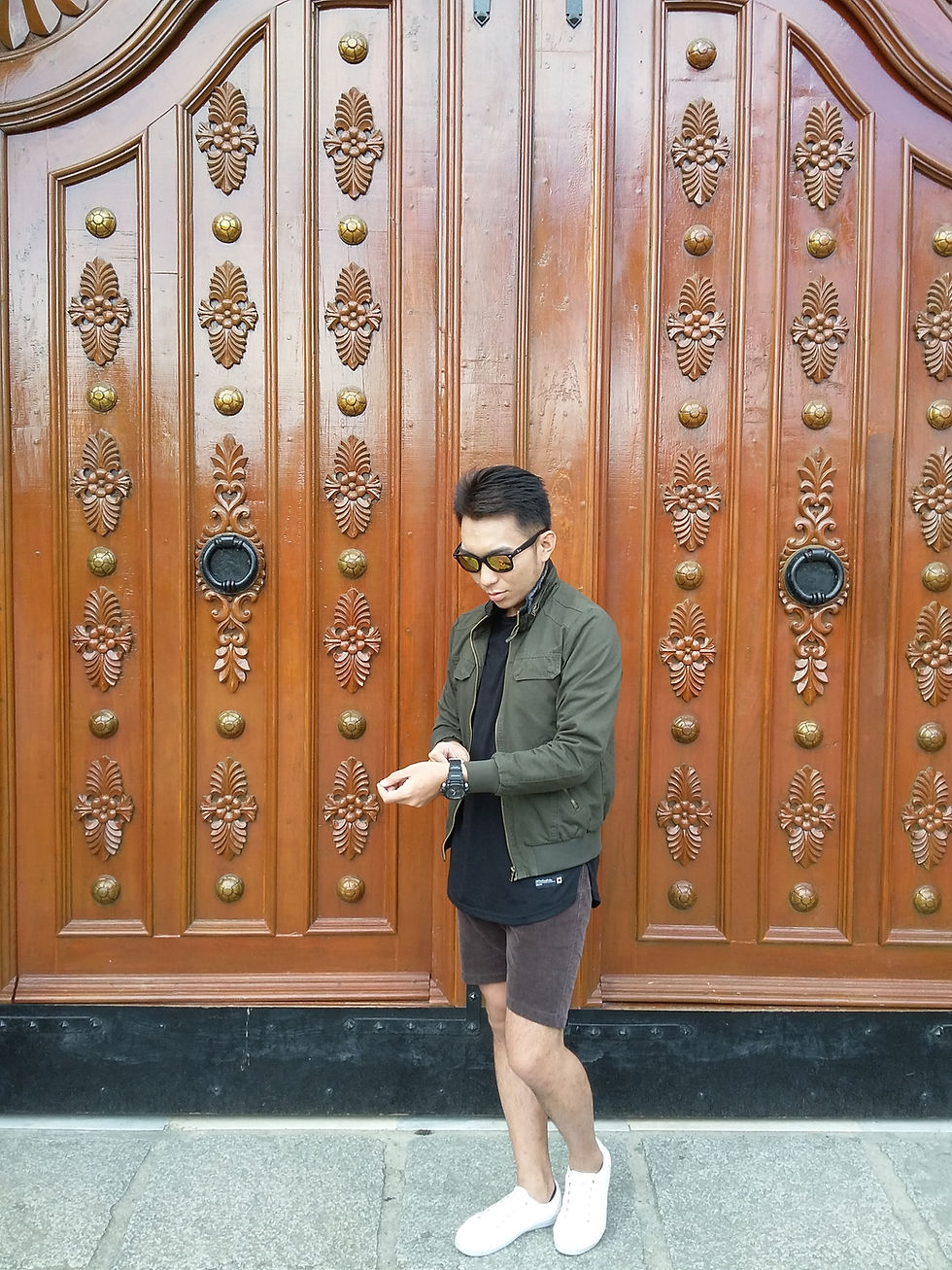
Miag-ao Church's Intricate wooden door.
This 1797 Baroque-Romanesque Church is braggingly listed as one of the World Heritage Sites by UNESCO. Once a fortress with 1 ½ meters thick walls from Moro raids, this jewel is a portrait of our ancestor’s artistry and craftsmanship. Its façade, with prominent carvings of three of the most abundant fruit-bearing plants in the town, coconut, papaya and guava and St. Christopher carrying the child Jesus intensifies its strong aesthetic feature.
St. Joaquin Church (San Joaquin, Iloilo)

This 1869 historical landmark holds a façade with intricate sculptural depiction of the Spanish victory over the moors. The San Joaquin church stands with a combination of limestone from Igbaras (a neighboring town) and corals from the overlooking shores.
St. Barbara Church (Sta. Barbara, Iloilo)

With its churches’ Baroque-Renaissance architecture and Moorish designed convent built in 1845, this structure is witness to the Ilonggo’s bravery and courage being the headquarters and hospital of the revolutionary forces against Spain in the Visayas region. 1800’s marked a significant era as soldiers armed with bolos flooded the churchyard set to shed blood for liberty led by Gen. Martin Delgado and where the first Cry of Revolution echoed.
St. Nicholas of Tolentino (Cabatuan, Iloilo)

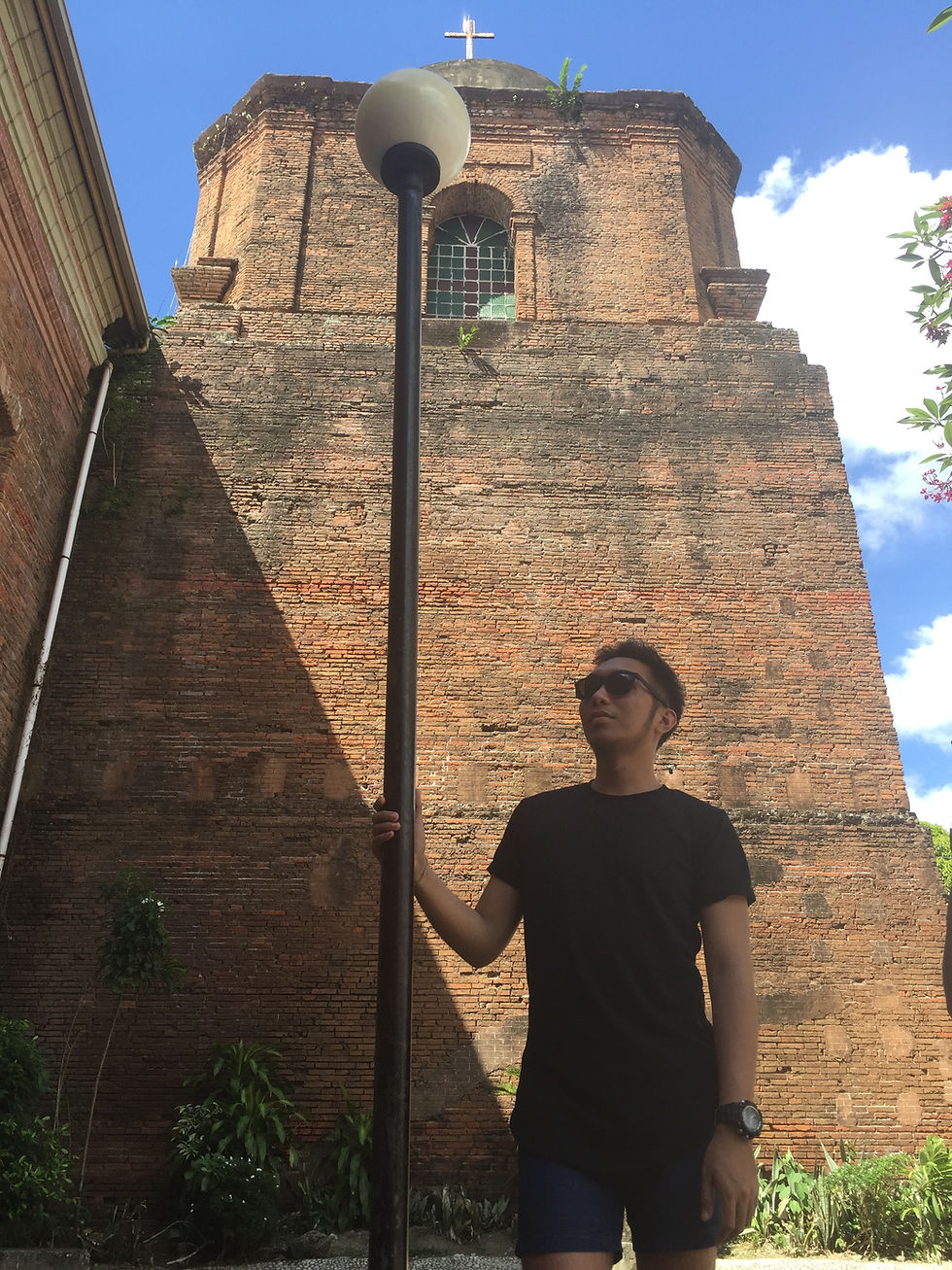

"Kapiya" depicting the fall of Jesus using Native and indigenous materials.
This could have been the only church in Panay that held 6 Moorish-styled belfries if not have been for the 1948 earthquake that shook the island. This Neoclassical infrastructure that was built in 1834 had a convent that can house 3000 townsfolk burnt by the guerillas in 1942 and later the red bricks served as the churches’ overlay after the Japanese Army demolished its remnants. Distinct to Cabatuan is their annual "kapiya" contest where barangays depict the 14 Stations of the Cross using indigenous and native materials.
Comments